



Introduction
Indoor comfort depends on more than just temperature, but is also shaped by the quality of the air we breathe. Pollutants like dust, allergens and microscopic particles often circulate indoors unnoticed, leading to respiratory issues and reduced comfort. Air filters act as the first line of defense, protecting both occupants and HVAC systems by trapping harmful particles before they spread. The importance of effective filtration ties directly into indoor air quality in Largo, FL, where regular attention can significantly improve overall living conditions.
Air Filters: Key to Better Indoor Air Quality
1. The Function of Air Filters in HVAC Systems
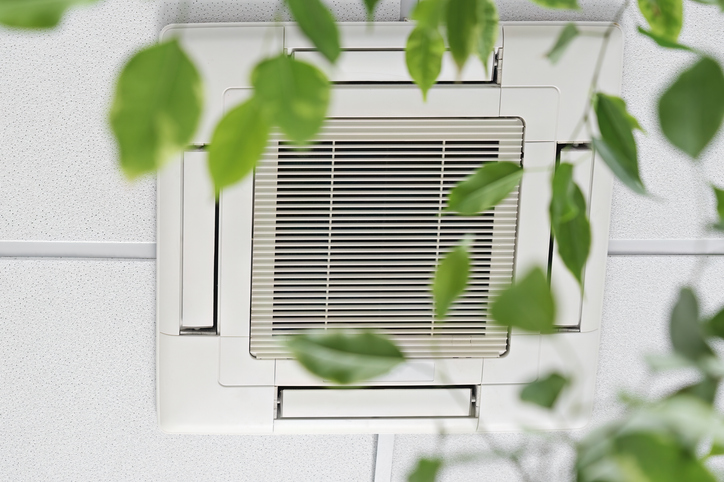
Air filters are designed to capture airborne contaminants as air circulates through a heating or cooling system. These contaminants include dust, pollen, mold spores and bacteria that would otherwise remain in constant circulation indoors. By blocking these particles, filters protect system components such as coils and fans from buildup, which helps maintain consistent airflow. Without proper filtration, HVAC systems are forced to work harder, leading to inefficiency and frequent maintenance needs. A functioning filter creates a cleaner, healthier environment while extending the life of the entire system.
2. Different Types of Air Filters and Their Benefits
Not all filters are created equal and the choice depends on specific household or commercial needs. Fiberglass filters are the most basic option, mainly designed to protect equipment rather than improve air quality. Pleated filters, with their larger surface area, capture more particles and are a popular choice for better performance. High-efficiency particulate air (HEPA) filters go further, removing microscopic allergens and pollutants, making them ideal for sensitive individuals. Activated carbon filters add another layer, removing odors and volatile organic compounds to enhance comfort. Each type offers varying levels of protection and selecting the right one maximizes both health and efficiency.
3. The Link Between Air Filters and Health
Indoor air directly affects physical well-being and poor filtration can worsen common health problems. Dust, pet dander and mold particles often trigger allergies and asthma, reducing comfort at home or in the workplace. Filters that capture smaller particles minimize these risks, creating safer spaces for children, the elderly and those with respiratory concerns. Consistent filter replacement is critical—clogged filters lose their ability to trap pollutants effectively. A properly maintained filter system supports cleaner breathing air, reduces health-related complaints and provides a noticeable improvement in daily comfort.
4. Energy Efficiency and Cost Savings from Proper Filtration
Clean filters contribute to reduced energy consumption by maintaining steady airflow through the HVAC system. When airflow is blocked by debris, the system must work harder, using more energy and driving up utility bills. Replacing or cleaning filters regularly avoids this strain, lowering operational costs and extending equipment life. Households and businesses alike benefit from this balance of efficiency and savings. A small investment in filter upkeep, paired with quality ductwork installation in Largo, FL, translates into long-term financial benefits while keeping both occupants and systems protected.
5. How Often Should Filters Be Changed?
The frequency of filter replacement depends on usage, system type and household conditions. In a typical home, filters may need replacement every 60 to 90 days, but households with pets or allergy concerns may require monthly changes. Commercial spaces often have heavier demands, making more frequent checks necessary. Seasonal peaks, such as summer cooling and winter heating, also create higher workloads for filters, calling for closer monitoring. By creating a regular replacement schedule, property owners avoid clogged systems and maintain consistent indoor comfort.
Air filters may seem like small components, but their impact on air quality and system reliability is significant. They protect against pollutants, promote healthier breathing and extend HVAC performance. Choosing the right filter type helps balance health, comfort and cost-efficiency. Regular replacement schedules prevent problems and keep systems running at their best. Ultimately, prioritizing air filter care is one of the most effective steps in managing indoor air health.
Conclusion
Breathe healthier with Sun Up Services! Our expert indoor air quality services in Pinellas Park, FL, improve comfort, reduce pollutants and protect your family’s health. Call 727-522-2288 today for trusted solutions that truly deliver.